If you notice small, rough bumps on your shoulders, thighs, or buttocks, it is most likely keratosis pilaris—a very common and completely harmless skin condition. It is colloquially known as "goosebumps" or "strawberry skin."
This condition is not a disease, but it can affect the appearance and texture of your skin, which often feels frustrating. The good news is that a proper body care routine can noticeably smooth out your skin's texture.
Let’s break down what keratosis pilaris is, why it occurs, and how to bring back smoothness to your body without aggressive procedures.
What is Keratosis Pilaris?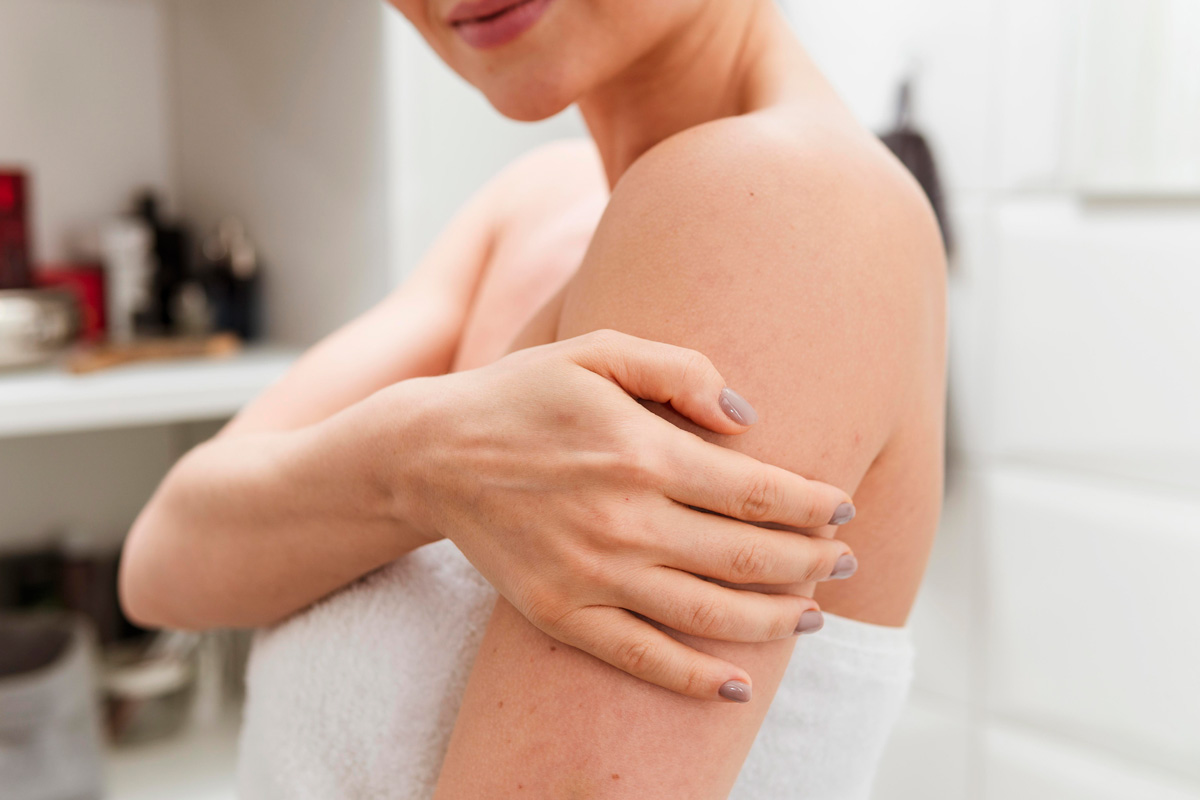
So, what exactly is keratosis pilaris? It is a disruption in the natural skin renewal process, where keratin—a protective protein—builds up in the openings of hair follicles, forming hard plugs.
It is these plugs that look like tiny bumps, resembling goosebumps or chicken skin. The condition is non-contagious and affects 40–50% of young adults, often fading on its own after the age of 30.
Most often, this "bumpiness" appears on dry skin. Therefore, choosing the right skincare routine should start with determining your skin type.
Keratosis Pilaris: Causes
The primary causes of keratosis pilaris involve a combination of three factors. Let’s look at each one:
Genetics: A predisposition to hyperkeratosis is usually hereditary.
Impaired cell exfoliation: Dead skin cells do not shed on time, clogging the follicle.
Dryness: A lack of moisture and lipids worsens the buildup of dead cells.
When searching for "causes of goosebumps on skin," it is also worth mentioning external factors: cold and dry weather, a deficiency in vitamins A, C, D, and E, and an atopic tendency. Symptoms almost always worsen during the winter.
Symptoms: How to Identify Keratosis Pilaris
Identifying this condition is quite simple, as the signs are very characteristic:
- Small, flesh-colored or pink bumps about 1 mm in size;
- Rough and uneven skin texture to the touch;
- Dryness, often accompanied by mild flaking;
- Occasionally, slight redness or itching.
Most frequently, these bumps appear on the thighs, shoulders, and buttocks, and less commonly on the face. However, this can still happen, so if you are dealing with keratosis pilaris on your face, pay close attention to your facial skincare routine. The bumps are painless and do not require urgent medical treatment.
How to Get Rid of Keratosis Pilaris: Daily Routine
The question of how to get rid of rough "goosebump" skin has two simple answers: gentle exfoliation and intensive hydration. They only work when paired together and applied consistently.
Gentle Exfoliation Instead of Harsh Scrubs
The first and most common mistake is scrubbing the skin with harsh loofahs and abrasive body scrubs. These traumatize the epidermis and only worsen the bumpiness.
Replace this habit with chemical exfoliation using acids. AHAs (lactic, glycolic acids) gently dissolve dead skin cells, while BHAs (salicylic acid) penetrate deep into the pores to dissolve the keratin plug. If you still prefer using body scrubs, choose only gentle ones without sharp particles.
Hydration – The Key Step
Without proper hydration, exfoliation will not yield lasting results. Apply nourishing body creams daily with moisture-retaining ingredients:
- Urea (10-20%) – hydrates and dissolves keratin;
- Ceramides – restore the skin's protective barrier;
- Hyaluronic acid – attracts and retains water;
- Panthenol – soothes and softens the skin.
Which Products and Creams to Choose
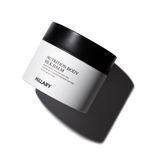
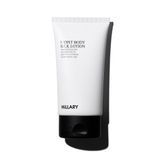
Effective products for keratosis pilaris combine acids and moisturizers in a single formula. The optimal keratosis pilaris cream contains 10-20% urea or a "urea + lactic acid" tandem.
Other effective options include products with azelaic acid to combat redness, and retinoids to normalize cell turnover. Finding the right keratosis pilaris creams and serums is easy thanks to the user-friendly search on our website. Be sure to check out our "Active Care" section, which we update regularly.
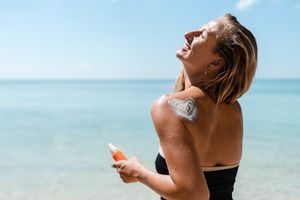
Since acids make your skin more sensitive to the sun, don't forget sun protection in the summer—choose SPF 30 for the city or SPF 50 for the beach. Pampering treatments, such as anti-cellulite wraps, can also provide extra nourishment to the body.
Summary
Keratosis pilaris is not a disease, but a cosmetic characteristic that can absolutely be managed. Gentle acid exfoliation and daily hydration with urea- and ceramide-infused products will gradually restore smooth skin.
Be patient and stay consistent with your body care routine—you will notice pleasant changes within just a month. The Hillary catalog will help you curate your perfect routine against "goosebump" skin.
Frequently Asked Questions (FAQ)
Why do "goosebumps" usually flare up during the cold season, and how should I adapt my winter routine?
In winter, the air is dry, and the body loses more moisture, which accelerates the buildup of dead skin cells. Switch to richer creams containing urea and ceramides, and do not reduce the frequency of moisturizing.
Does sun tanning or using a tanning bed help mask and reduce body bumps?
Tanning only camouflages the bumps visually, but it severely dries out the epidermis, which ultimately worsens the condition. It is safer to use body sunscreen (SPF) and facial sunscreens, and maintain smoothness through proper skincare.
How do I tell the difference between follicular hyperkeratosis and a regular rash, allergy, or the aftermath of a bad epilation?
Bumps caused by keratosis are small, hard, flesh-colored, non-itchy, and symmetrically located. Rashes and allergies are usually red, itchy, and appear suddenly, while irritation from epilation subsides within a few days.
Can I get rid of keratosis pilaris permanently with laser hair removal or salon peels?
Completely and permanently—no, because the predisposition is genetic. Laser hair removal and professional peels can improve the skin's condition for a long time, but without consistent at-home care, the bumps will gradually return.
How long after starting a regular routine with urea and acids will I see the first signs of smooth skin?
The initial softening can be felt within 2-3 weeks, and noticeable smoothness appears within 4-8 weeks of regular use. The key requirement is not to abandon your routine after the first signs of success.
Does diet, hydration, or vitamin deficiency affect the appearance of rough skin on the body?
Yes. A lack of vitamins A, C, D, and E, as well as dehydration, degrades the condition of the epidermis. A balanced diet and drinking enough water serve as a beneficial complement to your topical skincare.