What is acne – a question that millions of people around the world are concerned about. If you are reading this article, you have probably faced this problem too. And know this – you are not alone! Almost 80% of people on the planet deal with pimples at some point in their lives.
Acne: What is it in simple terms? Imagine that your skin is a complex system with millions of small "factories" (sebaceous glands) that produce a natural protective cream for your skin. Sometimes these "factories" start working too actively, their "pipes" get clogged, and inflammation occurs. That's all there is to it – that’s how pimples are born.
It's not just teenagers who know what acne on the face is. This problem can bother people at 25 and even at 35. So let's figure out where this nuisance comes from and what to do about it.
How It All Works: Why Acne Occurs
It all begins deep within your skin. Imagine you have thousands of tiny pockets (pores), and in each one sits a small gland. This gland produces sebum – a natural "oil" that protects the skin from drying out.
Normally, everything works perfectly: sebum comes to the surface and makes the skin soft. But sometimes the system malfunctions:
- First, the glands start producing too much sebum. The skin becomes oily, as if after applying a heavy cream.
- Second, the "exit" from the pocket gets blocked by dead skin cells. Imagine a drain in the bathtub clogged with hair – it's roughly the same thing.
- Third, bacteria begin to multiply in this closed pocket. They love sebum and throw a real party there.
- And finally, the fourth stage – your skin says "Stop!" and begins to fight the bacteria. Inflammation and redness occur, and there it is – the pimple in all its glory.
What Causes Pimples: Breaking Down the Main "Culprits"
What causes pimples to appear most often? Unfortunately, it is often a "gift" from parents. If your mother or father had acne problems, the probability that they will be passed on to you is very high – about 70-80%. It's like eye color or height – it is transmitted at the genetic level.
What causes acne in adolescents? That's right, a hormonal storm! Imagine your body is an orchestra, and hormones are the conductors. During puberty, these conductors start wildly waving their batons, and the poor sebaceous glands can't keep up with the rhythm.
In adult women, pimples are often activated together with the menstrual cycle. Before the period, the skin may "delight" you with new breakouts – this is completely normal.
When you are nervous, the body produces the "stress hormone" cortisol. It not only ruins your mood but also stimulates the sebaceous glands to work more actively. Plus, it lowers immunity, so bacteria feel free to roam.
What We Eat and How It Affects the Skin
Remember the phrase "you are what you eat"? This is especially true for the skin. Sweets, white bread, fast food – all of this can provoke the appearance of pimples. Why?
When you eat something very sweet, the blood sugar level spikes sharply. The body panics and releases a lot of insulin. And insulin, in turn, "wakes up" hormones that stimulate the sebaceous glands.
Milk can also be a problem – it contains growth hormones that can exacerbate acne.
Lack of sleep is another enemy of clear skin. When you don't get enough sleep, the body produces more stress hormones, and the cycle closes.
What Causes Pimples on the Back and Other Places
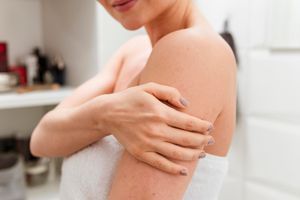
The back is a real "magnet" for pimples. There are many sebaceous glands there, especially between the shoulder blades. Plus, constant friction from clothing (especially synthetic), sweat after workouts – and you have the ideal conditions for bacteria.
Why do pimples on the face most often "settle" in the T-zone? Forehead, nose, chin – that's where most sebaceous glands are located. And if you also constantly touch your face with your hands or use incorrect cosmetics – the problem is guaranteed.
Pimples on the chest are often associated with hormonal changes, especially in women. Tight clothing, perfumes, synthetic fabrics – all of this can worsen the situation.
How to Fight Acne: Practical Advice
Now let's move on to the most interesting part – how to fight it! Acne treatments should work in three directions: controlling sebum production, cleansing pores of dead cells, and fighting bacteria.
Step One: Proper Cleansing
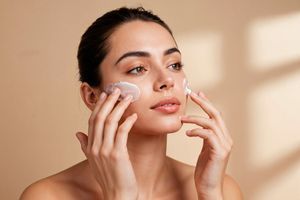
Forget aggressive scrubs and harsh washing! Your skin is not a frying pan that needs to be scrubbed clean. Gentle foams or gels with a pH around 5.5 are your friends. They will cleanse the skin without damaging its protective barrier.
Step Two: Exfoliation
This fashionable word simply means "removing dead cells." Chemical peels with salicylic acid work much better and gentler than mechanical scrubs. They "dissolve" the plugs in the pores and prevent the appearance of new pimples.
Step Three: Fighting Bacteria
Anti-acne complexes usually contain antibacterial components: benzoyl peroxide, tea tree extract, zinc. They "calm down" the unruly bacteria and reduce inflammation.
When It's Time to See a Doctor
If home care does not help within 6-8 weeks, or if large painful nodules appear or marks are left after pimples – it's time to see a dermatologist. A doctor can prescribe special medications or procedures that are not available for home use.
Remember: acne is not just a cosmetic problem, but a real disease. And like any disease, it requires proper treatment. Don't be afraid to ask for help – modern medicine can handle even the most complex cases.
The main thing is – don't give up and don't try to "squeeze" the problem out. Your skin will definitely become clear and healthy; it just takes time and the right approach!