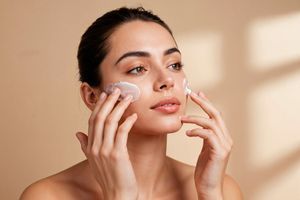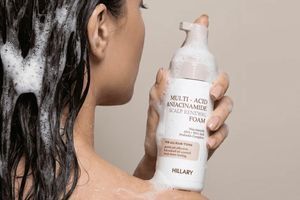
A modern beauty routine is rarely limited to a single cream, making the proper combination of active ingredients a true art form. Powerful components work wonders, but only when they don't interfere with each other.
Incorrect combinations don't just waste your money—they cause burning, peeling, redness, and compromise the skin's protective barrier.
Below are five of the most common incompatible duets and the ultimate safety rule. If you are just starting to build your active skincare routine, this information will save you from typical mistakes.
The Golden Rule of Active Ingredient Compatibility
Remember this simple rule: never stack strong active ingredients in daily care on top of each other during a single routine. Space them out—morning and evening—or alternate them by days. This gives the skin time to recover and prevents formulas from conflicting.
5 Combinations to Avoid
|
Combination |
What Happens |
How to Use |
|
Retinol + Acids |
Destroy the barrier, risk of chemical burns |
On different days |
|
Retinol + Vitamin C |
Mutual inactivation |
Vitamin C in the AM, Retinol in the PM |
|
Retinol + Benzoyl Peroxide |
Overdry the skin |
Separate AM or PM routines |
|
Vitamin C / Peptides + Acids |
Burning sensation, breakdown of peptides |
At different times of day |
|
Salicylic Acid + Zinc |
Form zinc salicylate, cause irritation |
On separate days |
Let’s break down each pair in more detail. These principles also apply to body care, as body actives are just as potent.
What Not to Pair with Retinol
Retinol is a vitamin A derivative and one of the most powerful anti-aging ingredients. That is why anyone adding it to their skincare arsenal wonders what it shouldn't be paired with.
Retinol and Acids
Using AHA and BHA acids together with retinol overloads the skin, destroying its barrier and provoking peeling and chemical burns. Therefore, when figuring out which acids cannot be combined with retinol, remember: none of them.
Specifically, you should know what not to pair with glycolic acid: first and foremost, retinol. Alternate them by days and restore your barrier with a ceramide cream.
Retinol and Vitamin C
These actives operate at different pH levels and neutralize each other: retinol requires a pH of 5.5–6, while Vitamin C needs around 3.5. Used together, they yield almost no results and can cause irritation.
The Solution: Vitamin C in the morning, retinol at night. Additionally, since retinol makes skin sun-sensitive, never forget to apply sunscreen (SPF) during the day.
Retinol and Benzoyl Peroxide
Both fight acne, but together they severely dry out the skin, and benzoyl peroxide also oxidizes retinol. In response to the dryness, the skin produces even more sebum, bringing breakouts back. Apply benzoyl peroxide in the morning and retinol in the evening.
What Not to Pair with Acids, Peptides, and Vitamin C
Acids are the most temperamental active ingredients. Questions about what glycolic acid cannot be combined with, or which acids clash in general, arise precisely because of their strength.
Vitamin C or Peptides with Acids
Vitamin C is an acid itself, so adding AHA/BHA acids triggers a burning sensation. And what shouldn't you pair with peptides? Primarily acids: a low pH breaks peptide chains down, rendering an expensive serum useless.
A safer alternative is to use ready-made face serums that are already chemically balanced.
Salicylic Acid and Zinc
A separate issue is what not to combine with salicylic acid. A hazardous tandem is salicylic acid and zinc: together, they form zinc salicylate, which irritates the skin.
Be mindful when choosing products for your skin type and carefully check the ingredients of sebum-regulating products.
Can You Combine Retinol and Salicylic Acid?
Another frequent question is the combination of salicylic acid and retinol. The answer remains the same: no. Retinol and salicylic acid are too aggressive when used together, so alternate them on different days.
What to Pair with Niacinamide
The good news is that niacinamide is a peaceful ingredient. When asked what to pair niacinamide with, the answer is simple: it works beautifully with retinol, hyaluronic acid, ceramides, and centella.
Can you combine niacinamide with acids? Recent studies show that you can, provided your skin is not overly sensitive.
How to Safely Separate Actives 
- Morning: Antioxidants and SPF (Vitamin C, Niacinamide).
- Evening: "Nighttime" actives like retinol or acids.
- Alternate: Space out strong exfoliants across different days rather than using them daily.
- Rest Days: Focus strictly on restoring the skin barrier.
Daytime protection is non-negotiable: retinol and acids increase sun sensitivity, making facial sunscreens essential. Choose SPF 30 or SPF 50 depending on the sun's intensity.
The same rules apply to the body. Do not combine body scrubs containing acids with other exfoliants, and apply nourishing body creams for recovery—just as you would after anti-cellulite wraps.
Часті запитання (FAQ)
How long should I wait after applying acids or Vitamin C before safely applying other actives?
Wait 20–30 minutes for your skin's pH to reset. However, the safest way to combine actives is to separate incompatible formulas into morning and evening routines.
Can I use incompatible ingredients if they are combined in a single, ready-made commercial product?
Yes. In manufactured formulas, the active ingredients are stabilized and meticulously balanced by concentration. The issue only arises when you layers separate products yourself.
What should I do and what products should I use to save my skin if an incorrect combination causes a severe chemical burn?
Rinse everything off with cool water, apply panthenol or a ceramide cream, and stop using all active ingredients for 5–7 days. If the burning persists, consult a dermatologist.
How do I properly alternate retinol and acids throughout the week to get maximum benefits without irritation?
Use retinol 2–3 times a week and acids on the other days. Leave "neutral" evenings between them focused purely on hydration and barrier repair.
Is it safe to use a niacinamide serum with a low-pH toner?
In modern formulas, yes. The old myth about niacinamide "turning into niacin" only applied to unstable, non-standardized mixtures.
Which soothing ingredients are completely neutral and compatible with any aggressive active?
The most universal ones are panthenol, allantoin, centella asiatica, hyaluronic acid, and ceramides. They buffer the intensity of active ingredients and never conflict with anything.
Summary
The proper combination of active ingredients in skincare is not about quantity; it is about consistency. Separate incompatible components into morning and evening routines, alternate your acids by day, and give your skin time to recover.
If you don't know where to start, focus on your skin type and your specific skincare goals. Protect your barrier, and your skin will reward you with a healthy glow.