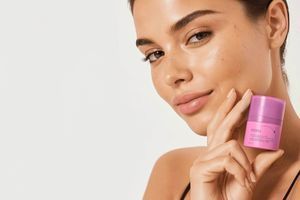
The skin is subjected to daily stress due to cleansing, makeup, and stress. When there are too many active ingredients and not enough time to regenerate, dullness and increased sensitivity appear. At such moments, the PDRN Cica Exosome Peptide Therapy Gel cream-gel will come in handy, which works with the skin's natural processes, not against them.
What is PDRN and why does the skin need it
PDRN (facial polynucleotides) is a high-tech component that has become a real breakthrough in aesthetic medicine due to its ability to trigger deep cell regeneration. In the cream-gel formula, this PDRN component in cosmetics is presented in the form of purified sodium salt (Sodium DNA) at a concentration of 1%.
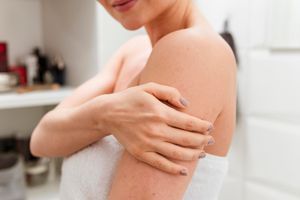
This biopolymer consists of DNA fragments that interact with cell receptors responsible for regeneration. In practice, PDRN for the skin supports density and elasticity, which decrease over time. It participates in cellular metabolism, so the skin looks alive, not just moisturized. But, in any case, PDRN in skin care involves caution: before the first use, it is worth doing a test on the elbow bend. Especially for those who have already encountered a reaction to active care.
Polynucleotides in cosmetology are a component to support natural recovery processes, not an instant effect. The result of care becomes noticeable gradually.
Peptide complex: signaling molecules for skin quality
Peptide Complex occupies 3% of the formula and acts as signaling molecules. Peptides in cosmetics are information transmitters to skin cells, which inform about which processes need to be activated.
They are short chains of amino acids that cells recognize as a command to action:
- Restore collagen.
- Reduce inflammatory reactions.
- Strengthen the protective barrier.
The complex is selected to work in several directions simultaneously, without causing irritation, unlike aggressive active ingredients.
The main effects of peptides in cosmetics are illustrated in the table:
|
Direction of action |
Noticeable effect |
|
Microrelief |
Becomes smooth and even |
|
Elasticity |
Improves tissue tone and density |
|
Expressive wrinkles |
Become less pronounced |
What are peptides in cosmetics? Peptides are traditionally associated with anti-aging care, and such components are often included in products in this category. However, they support the beauty and health of the skin at any stage, and not only in the presence of pronounced age-related changes.
And the regularity of using peptides in cosmetics is much more important than a one-time intensity, since they have a cumulative effect.
Centella exosomes: delicate support without overloading the skin
Centella Exosomes occupy 1% of the formula, creating an example of what modern cosmetics with exosomes look like. These are innovative microvesicles obtained from the cells of Centella Asiatica by biotechnology.
Such capsules carry the active ingredients of Centella in a form that the epidermis recognizes more quickly than a traditional extract. This reduces facial reactivity, which manifests itself through a tendency to redness or discomfort. Exosomes provide recovery at a deeper level than superficial soothing components. Therefore, the ingredient is ideal for skin that is “tired” of saturated facial care cosmetics.
Centella exosomes will be an excellent solution if:
- the skin reacts with redness to a new product in the routine;
- there is discomfort after using acids or retinol;
- support and recovery are needed after cosmetic procedures;
- there is a desire to reduce the load on the face without giving up effective care.
Such cosmetics with exosomes safely complement the action of other components, minimizing the risk of skin overload.
Skin microbiome: why balance is more important than fighting 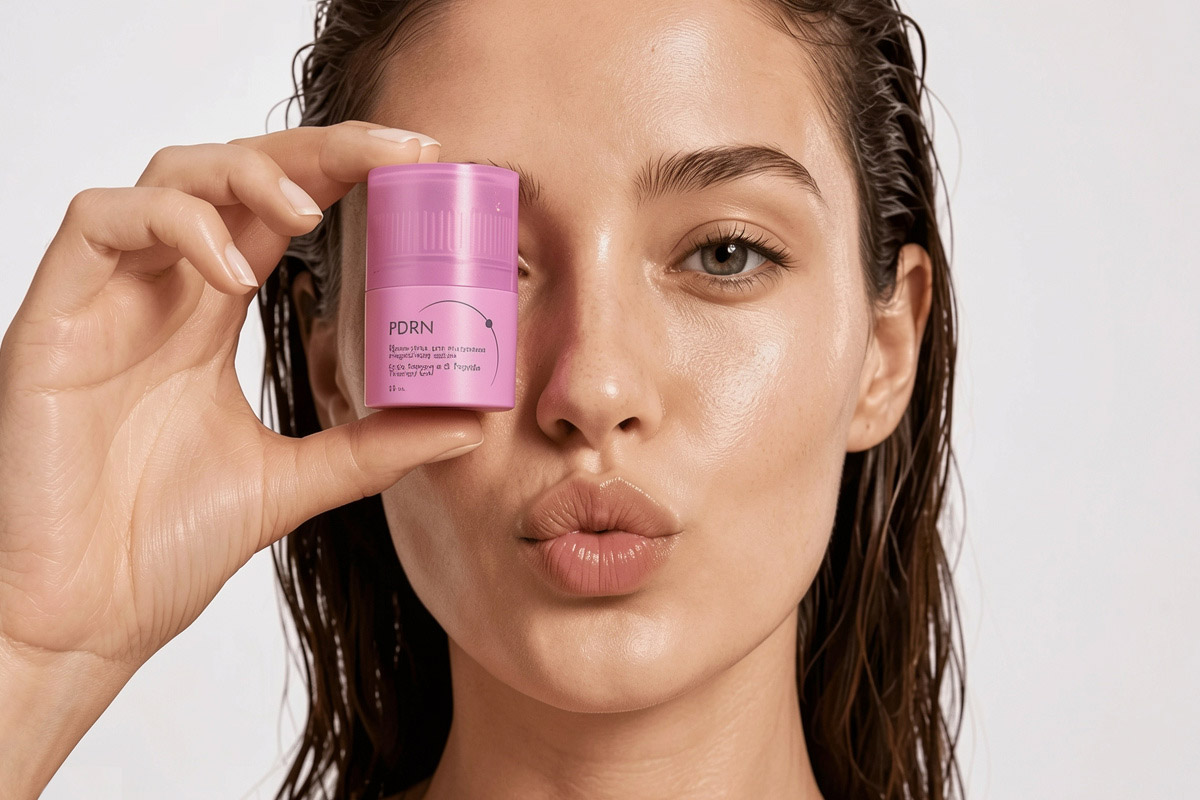
The Inulin + Alpha-Glucan complex is responsible for supporting the skin microbiome. This is a relatively new direction that changes the very logic of care.
The microbiome is a collection of microorganisms on the surface of the skin that directly affect its barrier, hydration and sensitivity. Previously, cosmetics mostly eliminated external symptoms (redness, peeling or tightness). The modern approach maintains the balance of microflora so that the skin can cope with any irritations on its own.
Inulin and alpha-glucan in this process act as natural nutrition (prebiotics) for the "good" bacteria that protect our face.
The result of such care is not instant, but much more stable - the skin gradually becomes less reactive. This is a significant contribution to the long-term quality and health of the skin, and not a quick temporary solution.
Light gel texture: why an active formula does not mean density
A light texture often raises the question of whether concentrated actives are effective in this format. The answer is related to the formulation.
The density of the texture is determined by the basic components of the formula, not the concentration of actives. A gel base is used here, which is quickly absorbed and does not leave a film. The format allows you to apply the product in the morning under makeup and in the evening as part of a multi-step care routine. This reduces the risk of skin overload if there are already several products in the routine.
The light texture provides several practical advantages:
- fast absorption, without leaving a sticky feeling;
- suitable as a base for sunscreen and makeup;
- does not disrupt the balance of other face creams in the routine;
- convenient for daily use all year round.
The lightness of the formula is not an indicator of weakness of action, but the result of a balance between effectiveness and comfort.
Who is the cream-gel suitable for and how to include it in the routine
The formula is designed for skin that needs to restore balance, not aggressive intervention. Let's consider when the product is appropriate in daily care:
- The cream-gel is suitable for skin that has lost tone, looks dull or uneven in texture.
- It is also useful for skin that reacts to the change of season or the procedure with increased sensitivity.
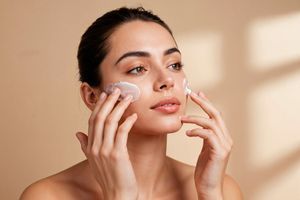
The product is applied to cleansed skin in the morning and evening with light massage movements until completely absorbed. Before SPF, it is worth giving the formula a few minutes to avoid mixing textures.
Introducing the cream-gel into the routine does not require changing your usual care. Regular use is a key factor in assessing the result.
FAQ
Will centella exosomes and PDRN cause a “cancellation effect” or addiction?
No. After stopping the product, the skin gradually returns to its previous state without any drastic changes.
Can apply a cream-gel immediately after peelings or retinol to soothe the skin?
Yes, a light formula is suitable for this. In the first days, it is worth focusing on the recommendations of a cosmetologist regarding the waiting time.
Why does a product with such a powerful formula have the texture of a light gel, not a thick cream?
The density is determined by the basic components of the formulation, not the concentration of active ingredients. The gel base is chosen for quick absorption.
Peptides are often recommended for aging skin. Does it make sense to use this complex at 20-25 years old?
Yes, signal peptides are also used as a prophylaxis long before pronounced age-related changes. At a young age, they support the quality of the skin, rather than correcting changes.
How to properly combine cream-gel with SPF products and makeup so that it does not roll down?
It is important to let the cream-gel absorb before applying the next layer - usually a few minutes. The products should be applied in a thin layer, without excess.