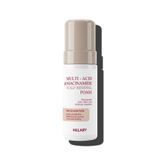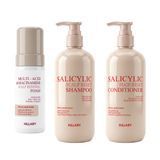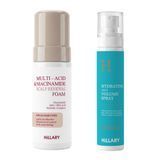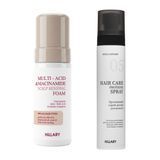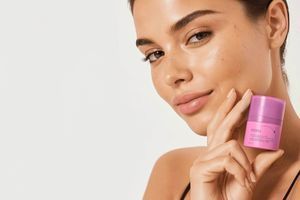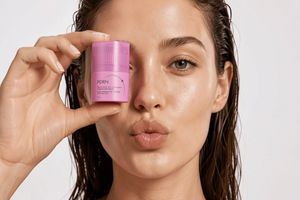
The scalp is actual skin with pores and sebaceous glands, and it requires deep cleansing just as much as facial skin does. When hair gets greasy just a day after washing and shampoo no longer provides a sense of cleanliness, the root of the problem often lies deeper than foam can reach. A scalp peeling for oily skin works at the pore level, removing sebum, dead skin cells, and styling product residue. Hillary Multi-Acid & Niacinamide Scalp Renewal Foam is a multi-acid peeling foam formulated with active components for regular scalp care. We highly recommend it in such cases.
Why the Scalp Needs Exfoliation
Every day, dead cells, excess sebum, and styling residue accumulate on the surface of the scalp. This layer clogs pores, causing the sebaceous glands to work harder and making hair get greasy much faster.
This results in that "heavy roots" sensation just a few hours after washing, a lack of volume, and cosmetic dandruff (which is often mistaken for fungal dandruff). A scalp that doesn't get exfoliated absorbs nourishing ingredients poorly, as the barrier of dead cells prevents them from penetrating deeper.
Understanding how to use a scalp peeling is not just a matter of application technique, but of recognizing why this product is necessary in the first place. Regular cleansing allows the skin to "breathe" and function properly. If you want to order hair care products and build a complete routine, a peeling foam logically becomes your very first step.
Ingredients: What Works and How
The foam's formula combines several groups of ingredients, each solving a specific task. This is not just a collection of trendy ingredients—each plays a precise role in improving skin condition.
AHA and BHA Acids
AHA acids (glycolic, tartaric, and malic) gently exfoliate dead cells, improve skin texture, and promote renewal. BHA acid (salicylic) is oil-soluble, meaning it penetrates deep into the pores to clean them from within, dissolving sebum plugs. Thanks to this mechanism, a scalp peeling for oily skin provides a fundamentally different level of pore cleansing compared to a regular shampoo. Together, they form a multi-acid complex that works both on the surface and inside the pores without disrupting the skin's natural balance.
Niacinamide, Prebiotics, and Hydrating Components
Niacinamide regulates sebum production and strengthens the barrier function, preventing the skin from reacting to cleansing with excessive dryness. The prebiotic complex supports the scalp microbiome (a disrupted microbiome is one of the main causes of cosmetic dandruff). Glycerin, panthenol, aloe vera, and urea reduce any feeling of tightness and maintain comfort after use. Chamomile extract calms the skin and reduces sensitivity post-exfoliation.
How to Use a Scalp Peeling: Step-by-Step 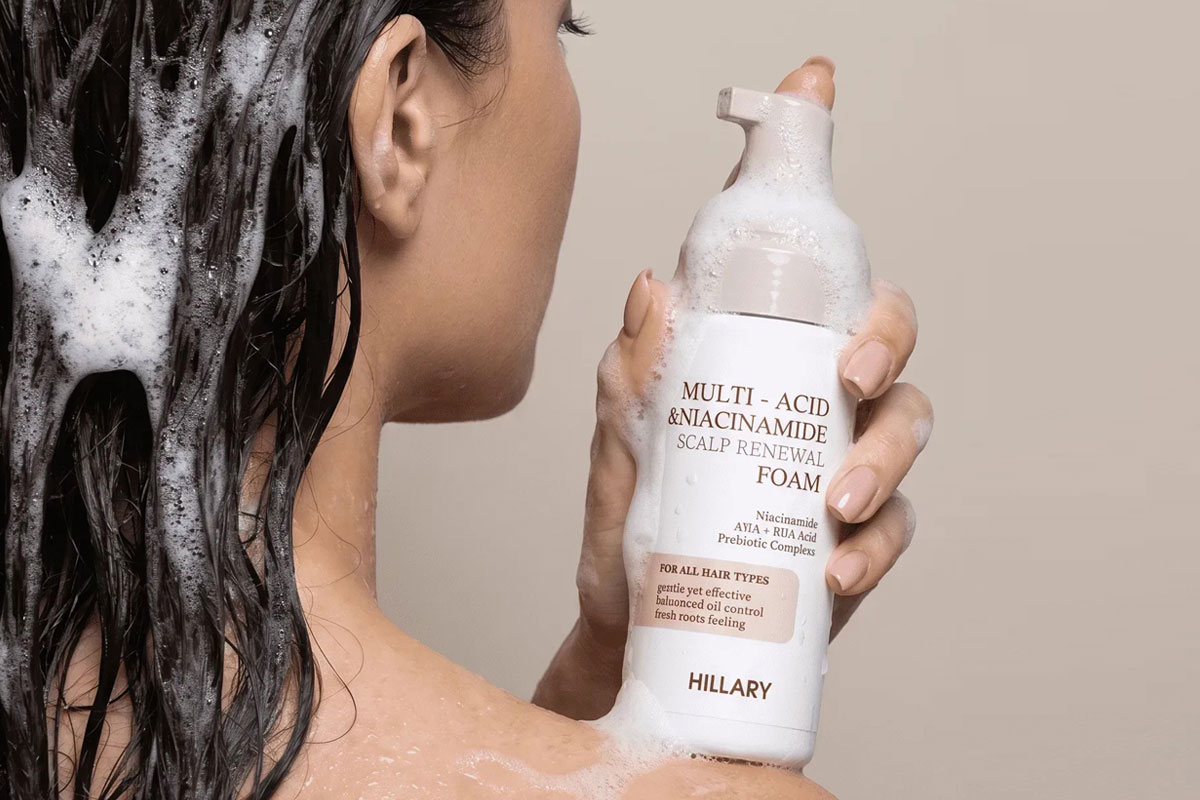
The results depend heavily on how and when the peeling is applied. How do you apply the Hillary scalp peeling? It's simple:
- Apply to damp scalp along the hair parts.
- Gently massage with your fingertips.
- Leave on for 3–5 minutes (up to 3 minutes for sensitive skin).
- Rinse thoroughly with water, then follow up with shampoo.
How often should you use a scalp peeling? Tailor it to your skin type:
- Oily skin: 2 times a week;
- Normal skin: 1 time a week;
- Dry or sensitive skin: Once every 7–10 days;
- Color-treated hair: No more than once a week.
It is also important to understand how to use a scalp peeling in combination with other products:
- The foam is applied before shampooing, not after.
- After washing, you can apply a hair conditioner to the lengths or a hair mask (these complement the peeling's action without overloading the scalp).
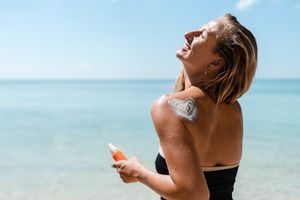
If you spend a lot of time in the sun during the summer, note that the skin can be more sensitive to UV rays after acid exfoliation, so consider using hair sun protection.
Results and Who It Is For
After one month of regular use, users report the following average results:
- 88% reduction in dandruff and flaking;
- 54% decrease in scalp oiliness;
- 22% stimulation of new hair growth.
Note: These results come from regular application, not a one-time use.
A peeling for oily scalps is most relevant if your hair gets greasy 1–2 days after washing, if you experience dandruff or flaking, if styling residue has built up, or if your roots look "heavy" for no obvious reason. For sensitive or dry skin, the foam can still be used, but less frequently and with a shorter leave-on time.
How to incorporate a hair peeling into a complete care routine is easiest to understand through Hillary's expert care sets, where products are pre-selected to target specific concerns. For everyday support between peeling applications, hair sprays work wonderfully as a lightweight, leave-in daily solution.
Summary
A peeling is a fundamental step in scalp care, not just an optional bonus. If you have been searching for "how to use scalp peeling," now you have the answer. The main takeaway: do it regularly, apply it before shampooing, and adjust the frequency to your skin type. Hillary Multi-Acid & Niacinamide Scalp Renewal Foam combines a multi-acid complex, niacinamide, and prebiotics into a formula that deep-cleans pores in a way no shampoo can, without disrupting your skin's balance. You can browse and buy this and other scalp peelings in our dedicated section. Plus, you can select high-quality shampoos to complete your regimen.
FAQ
How do I know that my scalp needs a peeling?
If your hair gets greasy within 1–2 days, or if you notice flaking and a "heavy roots" sensation, a regular shampoo is no longer enough.
Does a scalp peeling help eliminate the "heavy roots" effect?
Yes. It removes accumulated sebum and product buildup that weigh the roots down, helping restore natural root volume much more effectively.
Why does my hair get greasy quickly even after using an expensive shampoo?
Shampoo does not penetrate deep into the pores. The impurities accumulated there force the sebaceous glands to keep actively producing oil.
Can I use a scalp peeling if I have sensitive skin?
Yes, but limit use to once every 7–10 days, leave it on for no more than 3 minutes, and always perform a patch test on a small area before the first use.
Do I need a peeling if I don't have dandruff?
Yes. Sebum and styling residues build up even without visible flaking.
How often should I use an acid peeling for an oily scalp?
Twice a week. This maintains clean pores without the risk of over-drying the skin.