The skin loses moisture.
To prevent skin from freezing, the body severely restricts blood flow through the skin's capillaries and vessels. Blood is diverted to the body's core to maintain the temperature necessary for organ function and survival. As a result, the skin doesn't get enough oxygen and nutrients. The "extremities"—the face and nose—are particularly susceptible to this lack of oxygen and poor circulation.
Remember! The ambient temperature doesn't need to be below freezing for frostbite to occur or for blood flow to decrease; frostbite can happen at temperatures as high as +4°C!
The skin loses moisture.
Adapting to external temperature fluctuations and dry indoor air, the skin experiences a deficiency of vitamins and nutrients and loses moisture. In an effort to restore the skin's necessary moisture levels, we often make mistakes in our daily routine. For example, we only moisturize in the morning or during the day when we already feel tightness and dryness. In reality, it's better to moisturize before bed. In the morning, you should prioritize creams or oil-based products that create a protective film on the skin's surface. If you do use a moisturizer in the morning, it's best to combine it with oil-based products for a more effective result and to prevent irritation. In any case, remember that all products should be applied to the skin at least 30 minutes before going outside.
Using moisturizing gels in winter is also not a good idea. The water in their composition, when it comes into contact with low temperatures and reduced blood circulation, can actually damage the skin. As a result, instead of hydrated skin, you get redness, roughness, flaking, and a hardened outer layer that's hard to get rid of. Skincare products should be designed to lock moisture inside the skin. And how does that moisture get there? Of course, from regular and adequate fluid intake and staying hydrated.
The skin loses its natural protective barriers.
Barrier lipids and sebum (skin oil), which are abundant on the face, especially in the T-zone (forehead, nose, chin), behave like butter in the cold—they solidify and spread less effectively across the skin's surface. This reduces the skin's protective properties and dries it out. However, it's important to remember that the sebaceous glands don't stop working; the secretion they produce just builds up in the ducts. Cold skin, cold air, and a reduced anti-inflammatory effect from sunlight can lead to an exacerbation of acne, rashes, and other skin conditions.
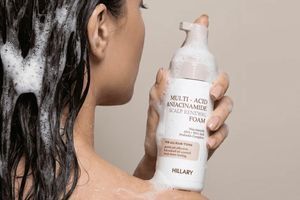
To prevent these issues, you should cleanse your skin thoroughly with gentle products that don't damage it, remove excess sebum, and enhance the skin's protective and barrier functions.
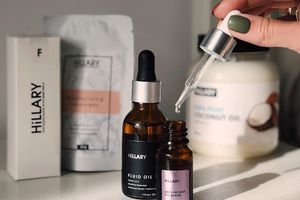
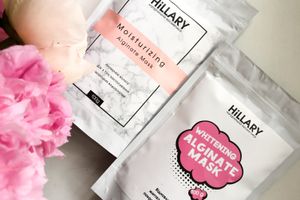
Our experts have curated the necessary winter skincare and haircare products for you in our special sets.