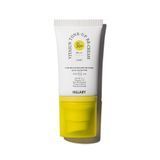
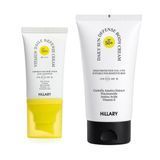
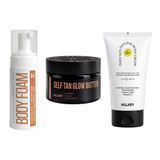
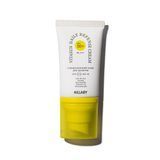
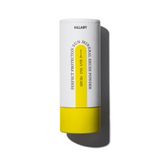
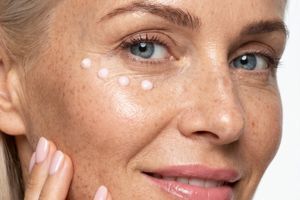
Even those who are not interested in beauty trends know the most important skincare rule: SPF is needed every day. Moreover, not only on vacation or in summer. The sun affects the skin much more strongly than it might seem at first glance – especially in a big city, where ultraviolet light is combined with dry air and stress. But despite the popularity of sunscreens, the question remains open for many: how to choose SPF for face and body? Does it make sense to overpay for SPF 50? And is SPF 30 really "too little"?
What is the difference between SPF 30 and 50: important nuances
You should not think that factor 50 protects almost twice as strongly as 30. This is a common myth. In fact, sun protection labeled 30 blocks nearly 97% of rays, while SPF 50 blocks about 98%. The main difference is in the durability reserve. This is important for those who spend a lot of time in the sun, have very fair and sensitive skin, or have recently undergone procedures at a cosmetologist.
When deciding what is better: SPF 30 or 50, consider your phototype and the intensity of the UV index in your region. Experts advise taking into account:
- Time spent under direct rays. For a short walk to the office, SPF 30 is enough.
- Skin condition. The presence of active acids or retinol in your skincare routine requires maximum protection.
- Current UV index. If the indicator exceeds 4, it is better to choose SPF 50.
- Geographical location. Closer to the equator or high in the mountains, solar activity increases, so a high index becomes mandatory.
Understanding the difference between SPF 30 vs 50, it is not difficult to select care for specific conditions.
How to choose sunscreen: types of products and their features
Modern sun protection cosmetics are not just thick white ointments that are difficult to spread on the skin. Manufacturers offer dozens of formats: weightless fluids, serums, convenient sticks, and sprays. The main difference between them lies in the composition of filters and their purpose. So how to choose a sunscreen so that it does not provoke the appearance of greasy shine and breakouts? Products with SPF 30 or 50 are divided into several categories by type of protection:
- Creams on physical filters. Contain titanium dioxide or zinc oxide (Zinc Oxide or Titanium Dioxide). They create a kind of "mirror" on the surface of the skin that reflects the rays. An ideal option for sensitive skin and children.
- Products on chemical filters. Avobenzone, Octocrylene, or Tinosorb absorb ultraviolet light, converting it into thermal energy. They usually have a light texture and leave no traces.
- Combined formulas contain both types of filters. Such products have proven themselves well in extreme conditions (mountains, beach).
How to understand exactly what kind of body and face sunscreens are in front of you? Guide yourself not only by SPF 50 SPF 30, but also by the labels "non-comedogenic", "oil free", or "for sensitive skin". For oily and combination skin, light fluids and gels without a large amount of oils in the composition are better suited, and for dry skin – more nourishing creamy textures.
Specifics of care for the face and other areas: SPF 30 vs 50
In the city, the main difficulty is not which SPF is better: 30 or 50, but layering – the product must combine with decorative cosmetics. The issue is resolved in favor of texture: sun protection with a lower index is usually lighter and not so noticeable on the skin. However, the correct application technique is also important:
- Sufficient amount of product. For the face and neck area – a portion of cream with a volume of about 1.2 ml. A smaller amount automatically reduces effectiveness.
- Type of product. For makeup, a good solution will be a BB cream with SPF, which simultaneously tones and protects the skin.
- Vulnerable areas. Ears, the back of the neck, or the hairline can also be "burned" in the sun.
- Reapplication during the day. For example, SPF powder is convenient to apply every few hours.
- Not only skin. Specialized sun protection for hair will help avoid brittleness and color loss.
For those who plan a long vacation outdoors, it is better to prepare reliable sun protection for the body in advance. On the beach or during active games, the sun affects the skin more aggressively due to the reflection of rays from water and sand.
And how to choose a tanning cream? Tanning products have a lower SPF and contain components that help the skin acquire a golden shade faster. For the city and daily use, as well as for people with fair or sensitive skin, dermatologists still advise classic sunscreen.