Do you need to change your facial skincare in winter, or should you base it on your skin type, condition, and needs?
With the change of season, the condition of the skin also changes, regardless of its type. Winter always brings frost and wind. In such weather, our sebaceous glands produce less sebum, and the dry air from heated rooms leads to a sharp deterioration of the skin's hydrolipid balance, disrupting the protective barrier and exacerbating sensitivity. The skin starts to flake, redden, and a feeling of discomfort appears—these are all signs of critical dehydration. In addition to external factors, the skin's condition is also affected by the body's internal changes related to seasonal hormonal fluctuations, which alter the skin's metabolism. Such changes should not be ignored, so you should review your skincare routine.
What skincare is optimal in winter?
Now, the skin needs softer cleansing and care, as well as the use of additional cosmetic products that will help restore and maintain its natural balance. What should your winter routine look like? The basic steps of daily care remain the same: cleansing, toning, day/night cream. You should change the products themselves, based on the skin's altered needs. For cleansing any skin type in winter, it's recommended to use only "gentle" products without alcohol. For oily skin during this period, it's better to switch to creams for normal or combination skin, and for normal skin types, use products for dry skin. You can also add additional products to your routine: a moisturizing serum, a mask, or oils. In the cold season, it's also important to remember to use hand cream and lip balm.
How should your routine change if you're flying to a warm country for vacation in winter?
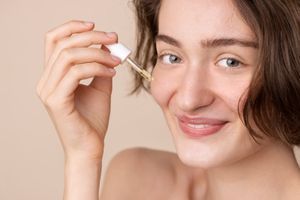
Flights and climate change are a major stressor for the body in general and for the skin in particular, as there are many more reasons for dehydration. There is also a risk of visible signs of fatigue on the face. Additional products, such as concentrates or serums, will help you avoid these issues and ensure your skin looks fresh and healthy.
Which beauty products should be avoided in the cold?
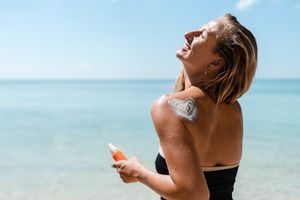
You should set aside harsh cleansers, as well as products with a high ethyl alcohol content and anything that provokes skin dryness, including highly mattifying cosmetic products. But in winter, you should not give up on sunscreens, as frost is often accompanied by sun, and the skin is just as exposed to ultraviolet radiation. However, while reading these recommendations and tips, don't forget about your individual characteristics; monitor your skin's condition and change your routine based on its needs.
How do changes in temperature and humidity affect the skin, and how can you help it?
In continental climates, with central heating and other nuisances, almost everyone experiences the problem of dry skin during winter. Temperature fluctuations affect not only our well-being but also our skin. Dehydration and flaking can occur due to the cold, frosty air outside, as well as the dry air in heated rooms with air conditioners.
Which ingredients should you prioritize?
In bad weather with snow or gusts of wind, skin itching can occur. Products containing film-forming agents and antioxidants will help here. To help the skin cope with dryness, it needs to be moisturized. It's best to do this in the evening, after a bath or shower, when the skin still retains a lot of moisture. Any moisturizing product with a comfortable texture will do. It's ideal if it contains natural oils, hyaluronic acid, glycerin, or oligosaccharides. However, be vigilant: over-moisturized skin can easily get frostbitten. Therefore, it's not recommended to apply intensely moisturizing creams right before going out into the cold. It's also important to remember that if your chosen product is gel-based, you should apply it at least an hour before going outside.
Does it make sense to switch to a cleansing routine in winter that only removes impurities and makeup with micellar water?
Cleansing without water is not a very good solution. In this case, oil and dirt are not removed well enough, which can lead to inflammation sooner or later. Cleansing with micellar water is possible because this product removes makeup well, but it is not recommended to leave it on your face. Micellar water should be rinsed off with water to avoid damaging the skin's protective barrier and causing irritation.
The system of cleansing skin without water (for example, using milk) is only suitable for dry and sensitive skin that reacts uncomfortably to washing and responds to contact with water with severe redness and irritation.
What does a simple and effective at-home winter care system look like?
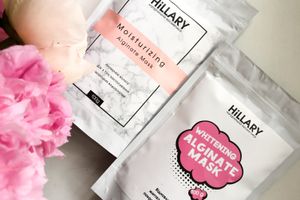
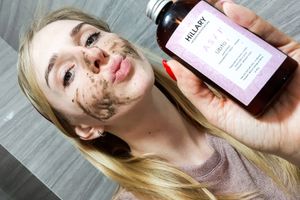
Ideally, your care ritual should consist of at least three products. First, a cleanser that doesn't harm the protective barrier (preferably without alcohol and sulfates). Second, a moisturizer with film-forming agents, natural oils, and antioxidants. Third, a night restorative product like a concentrate or serum. In winter, it's also necessary to use additional care. Moisturizing masks are recommended at least 2-3 times a week, as the skin loses a lot of water now.
Does body skin need special care in winter?
In winter, body skin is constantly covered. On one hand, it's warm, but on the other, clothes can be a source of irritation. The skin sweats, loses moisture more quickly, and along with it, its healthy color. Body care involves the same steps as facial care. But if you shower twice a day, don't use shower gel every time, as the skin doesn't need such intense cleansing.
Pay attention to the composition of your body care products. It's ideal if they contain oils, vitamins, and minerals. Use gentle scrubs 1-2 times a week and remember the 3-minute rule: immediately after water procedures, apply a moisturizing and nourishing product, because when the skin is steamed and the pores are open, the beneficial components are better absorbed.
There's an opinion that skincare products should be applied half an hour before going outside. Is this true?
When skincare products are applied, their temperature rises due to rubbing between the fingers and the temperature of the facial skin. As a result, the temperatures of the product and the skin equalize to 36 degrees Celsius. This is an additional mechanism for the product's absorption and activation. It's obvious that at such a temperature, it cannot freeze. There is little water in it, and many moisturizing components (lipids, sugars) that do not freeze. Moreover, special moisturizing products for winter facial care have been created. The formula with natural oils protects the skin from unpleasant redness in cold, windy weather. However, all skincare products in winter must be applied at least half an hour before going out so that they have time to be absorbed, take effect, and protect the skin in the frost.
Which care option is more effective: one rich, dense cream or multi-layering of light textures?
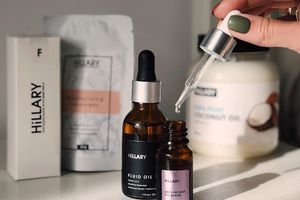
In winter, you should prefer richer, more nourishing textures, but this doesn't negate layering. Look at your makeup remover: perhaps in winter you should use an oil, even if you don't have dry skin. Also in winter, it will likely be more comfortable to use a mist for dry skin. It's great if you use a serum. And have you tried fluids with an oily texture? They can also be used for combination skin. Of course, your cream in winter should be more nourishing than in summer. Which one—you should choose based on your skin's needs.
Or is it enough to use only oil?
Oil is what the skin needs in winter, but it's not enough on its own. In the vast majority of cases, the skin is dehydrated in winter. This happens for several reasons: indoor heating, a change in water quality, a different diet, cold, wind, and snow. Don't forget about a moisturizer, even if you consider your skin to be flawless.
How else can you help your skin in the cold?
Definitely, drink water, at least 1.5 liters a day. Green or herbal tea can be an excellent source of moisture and warmth, as well as skin-beneficial antioxidants. The drying effect of heating can be reduced with a humidifier and regular ventilation. In your diet, don't forget about seasonal fruits, vegetables, soups, and foods containing Omega-3 fatty acids (fish). Any non-strenuous physical exercises have a positive effect on the skin's condition in winter. Contrast showers and washing with water of different temperatures are also useful, but the water temperature should not be extreme, but comfortable.