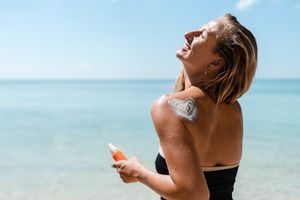
If you’ve been avoiding the sunscreen aisle for years out of fear of breakouts, we have good news: the right SPF for oily skin won’t clog your pores or trigger acne. On the contrary, it becomes part of your treatment and improves the overall condition of your face.
The myth that sun protection "suffocates" acne-prone skin is long outdated. Modern formulas are lightweight and mattifying. The main thing is knowing what ingredients to look for.
Here, we share 4 criteria for choosing a pore-safe sunscreen and debunk common myths about SPF for acne. Let’s start with why protection is necessary even if you already have comedones.
Why Sun Protection is a Must for Acne-Prone Skin
UV radiation is one of the hidden culprits behind worsening breakouts. UVA rays penetrate into the deeper layers of the skin, breaking down collagen and triggering inflammation.
There is another catch: acids, retinoids, and other active ingredients make the skin highly vulnerable to the sun. That is why sunscreen for acne-prone skin is a mandatory step in safe skincare, not just a seasonal whim.
And no, clouds or office windows won't save you. UVA rays pass right through glass, meaning SPF for acne is required every day, all year round.
4 Criteria: How to Choose SPF for Oily Skin
To make the right choice, guide your decision by these four parameters. They determine whether a sunscreen for oily skin will feel comfortable on your face. Let’s break down each one. 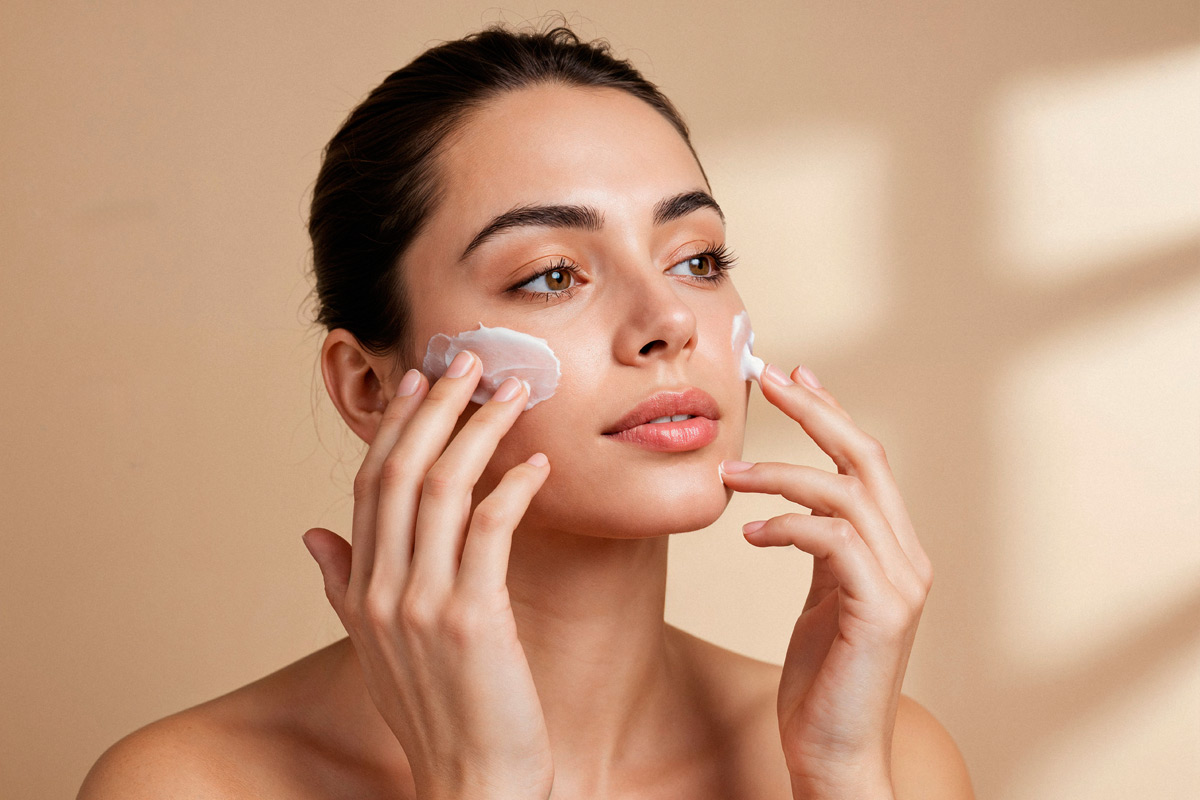

Lightweight Texture with Oil-Control
Oily and acne-prone skin thrives on weightless formulas that absorb instantly without leaving a greasy film:
- Fluids – the lightest liquid texture that leaves no greasy shine.
- Gels labeled "oil-control" – mattify the skin and regulate sebum production.
- Emulsions and milks – hydrate without weighing the skin down.
- SPF serums – provide a thin layer that layers beautifully under makeup.
Avoid formulas where mineral oils and waxes are listed near the top of the ingredient list. A proper SPF for oily skin should feel weightless on the face, whereas thick products are much more likely to clog pores.
Modern Chemical or Mineral Filters
There is no absolute "best" option—only the one that works best for you.
Modern chemical filters (like Tinosorb or Uvinul) offer a weightless texture and are highly comfortable for daily wear. This is the optimal choice if you want an invisible face sunscreen for oily skin.
Mineral (physical) filters – zinc oxide and titanium dioxide – provide a mattifying effect and do not irritate the skin. They are suitable even for sensitive, inflamed skin, though they may leave a slight white cast.
Soothing and Sebum-Regulating Components
A good SPF cream for oily skin should protect and care for it. Look for ingredients like:
- Niacinamide – tightens pores, evens out skin tone, and reduces oiliness.
- Zinc (PCA) – regulates sebum production and offers anti-inflammatory benefits.
- Centella Asiatica (Cica) – soothes redness and irritation.
- Panthenol and Aloe – hydrate and restore the skin barrier.
- Tea Tree – fights the bacteria that trigger acne.
Broad-Spectrum Protection (UVA/UVB, PA+++)
Your sunscreen must shield against both types of UV rays. Check the packaging for these markings before buying:
- SPF 30-50: Shows the level of protection against UVB rays, which cause sunburns.
- UVA logo in a circle: Confirms protection against aging rays.
- PA rating with pluses: PA+++ or PA++++ indicates a very high level of UVA protection.
For city life, SPF 30 is generally sufficient, but for active sun exposure, opt for SPF 50.
How to Use Sunscreen Safely Without Wrecking Your Skin
Even the best sunscreen for acne-prone skin won’t work properly without the right application. Follow these simple rules:
- Apply enough product – roughly the length of two fingers for your face.
- Reapply during the day if you spend extended time out in the sun.
- Double-cleanse in the evening to fully wash away the sunscreen.
- Do not mix sunscreen directly with your active skincare ingredients on your skin.
Improperly washed-off sunscreen is a leading cause of closed comedones. Therefore, evening cleansing must become a non-negotiable step in your facial routine.
Summary
The right sunscreen for oily skin is not a risk; it is a conscious investment in the health and clarity of your face. A lightweight texture, advanced filters, soothing components, and broad-spectrum protection make up the ultimate pore-safe sunscreen formula.
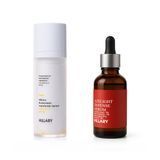
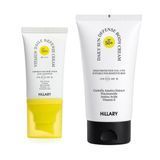
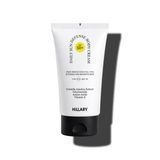
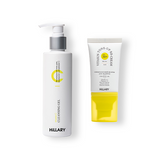
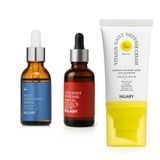
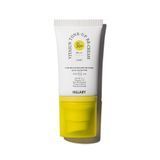
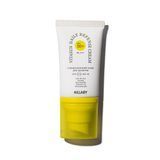
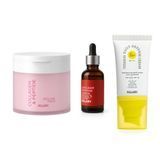
Find your perfect sunscreen (SPF for oily skin) in the Hillary catalog. Keep photoaging at bay and discover how truly comfortable sun protection can be.
Frequently Asked Questions (FAQ)
Is it true that the sun "heals" pimples, so I can skip SPF in the summer?
No, this is a common misconception. The sun dries out breakouts and camouflages them with a tan, but within a few weeks, the acne returns with a vengeance. Sun protection for acne-prone skin is essential in both summer and winter.
How do I know if closed comedones were caused by my sunscreen and not other products?
Monitor your skin's reaction. If closed comedones appear in the application areas 1–2 weeks after you start using a new product, it could be the culprit. Try switching to a lighter SPF for oily skin labeled non-comedogenic.
What should I do if my mattifying SPF pilling under foundation or powder?
Give your sunscreen 3–5 minutes to absorb completely before applying makeup, and don't use too much product. Pilling often happens due to incompatible textures—make sure your makeup base and foundation share a similar formulation base.
Do I need to reapply sunscreen every two hours if I work in an office near a window?
If you are not sitting in direct sunlight, applying it once in the morning is enough. You only need to reapply every two hours if you are at the beach or out for a long walk.
How do I properly remove water-resistant sunscreen in the evening to avoid clogged pores?
Start with a cleansing oil or balm, as these break down the water-resistant film. Follow up with your favorite foaming cleanser or gel. This double-cleansing method guarantees that sunscreen for acne-prone skin is washed away completely.
Can I use sunscreen instead of my regular daytime moisturizer?
Yes, provided the formula includes hydrating ingredients. A multifunctional sunscreen for oily skin can easily replace your daytime lotion. However, if you have dry patches, it’s best to layer a separate moisturizer underneath.